

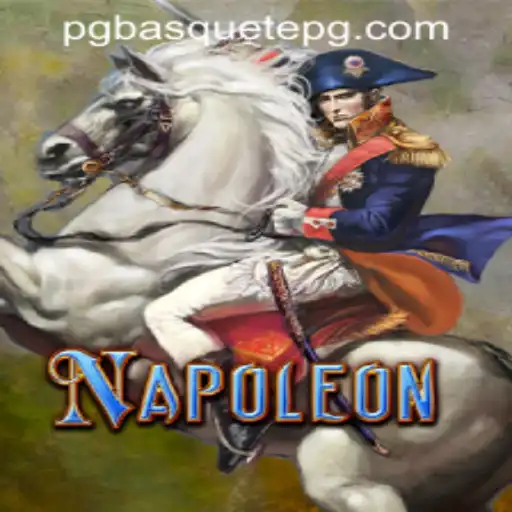

Explore the strategic depths of Napoleon, a classic trick-taking card game, alongside the latest news in gaming and technology.
Understanding Napoleon: A Legendary Trick-taking Card Game
Napoleon is a strategic card game that captivates enthusiasts with its intriguing blend of skill and chance. As one of the classic trick-taking games, Napoleon has a rich history closely intertwined with its namesake, the French military leader. Players around the world relish its unique gameplay, finding joy in its complexity and the tactical decisions it demands.
The Origins and Introduction of Napoleon
Originating in the early 19th century, Napoleon takes its name from Emperor Napoleon Bonaparte. Whether it was genuinely invented during his era or the name merely serves to imbue the game with a sense of historic grandeur is a topic of debate among historians. Yet, the game unmistakably reflects the tactical brilliance expected from its namesake.
Napoleon explores the dynamics of leadership and partnership in a card-playing context. Typically played by four to five players, the game’s objective is to accurately bid the number of tricks one expects to win, thus requiring both courage in bidding and precision in play. The game’s charming complexity lies in its straightforward rules paired with the depth of strategic planning it requires.
Basic Rules and Gameplay Mechanics
Napoleon is typically played with a standard 52-card deck. The game's primary aim is to win a certain number of tricks based on bids made at the start of the game. The gameplay is initiated by dealing a set number of cards to each player, with the remainder set aside face down, playing no further role in that hand.
Players bid in turn on the number of tricks they believe they can win, with the highest bid dictating who becomes the ‘Napoleon’ in that round. This player then selects a suit as trump, which overrides other suits to a certain extent during play, providing a strategic advantage. The delicate balance of bidding accurately and knowing when to bluff plays a crucial role in mastering Napoleon.
Strategies and Tactical Concepts
Winning at Napoleon, much like its real-world historical counterpart, requires a blend of audacity and cunning. Players must assess the strength of their hand, predict their opponents’ strategies, and determine the appropriate risk level. Knowing when to underbid or overbid can make or break a round, making it pivotal for players to develop a keen sense of timing and judgment.
Communication indirectly also plays a vital role, as players in partnerships attempt to signal their hand strengths and weaknesses to each other through card play. However, too apparent signaling can easily become a double-edged sword, as perceptive opponents may intercept the intent behind seemingly innocuous plays.
Harnessing Digital Platforms
With the advent of online gaming, Napoleon has found a new lease on life, particularly through platforms employing technology to bring this historical game to a broader audience. Players can now engage with opponents globally, honing their skills against diverse strategies, enhancing both the complexity and enjoyment of this timeless game. This shift to online platforms also mirrors broader technology trends casting an influence across various traditional game genres.
Current Events and Technological Synergies
In a rapidly evolving digital age, where technology seems to continuously redefine borders and interactions, gaming platforms have bridged gaps between historical card games and modern play styles. Tags like 'basquetepg PH Login' reflect localized content strategies that make these games accessible to new audiences, fostering a deep appreciation across different cultural landscapes. Such tagging also aids SEO, making search engines more likely to present Napoleon in relevant user queries, thus inviting a broader spectrum of participants into this intricate game.
The popularity of classic card games on digital platforms reflects a collective nostalgia and a yearning for simpler strategic interactions amidst today’s fast-paced world. Events focused on integrating classic games with technology are increasingly popular, drawing parallels with other fields embracing digital transformations.
Players’ Perspectives and Community Engagement
Enthusiasts and community forums dedicated to Napoleon prominently factor into its digital resurgence. Players frequently share insights on strategies, variations, and even custom rules, enhancing the dynamism of this game. Online tournaments offer competitive settings that attract both newcomers and seasoned players, jointly seeking the thrill of a well-played hand.
Community engagement is not merely limited to gameplay but extends to discussions around the rules and their applications, potentially leading to new game variants. This active involvement in community spaces ensures that Napoleon remains a living, evolving game reflective of its rich legacy and adaptability to contemporary tastes.
Conclusion
As technology continues to unfold new horizons, the intersection between traditional games like Napoleon and digital platforms exemplifies the harmonious blend of historical strategy with modern convenience. This marriage of old and new stands as a testament to the enduring appeal of Napoleon, validating its reputation as a timeless game that transcends the barriers of culture and time. In fostering a diverse community, Napoleon remains a vital part of the gaming tapestry, reminding enthusiasts of the simple yet profound joys of strategic play.